How to Grow a Fall Edible Garden with Herbs and Flowers

Fall isn’t just for pumpkins and colorful leaves—it’s also a perfect season to grow an edible garden filled with flavorful herbs and beautiful flowers. Whether you’re in Zone 6, 7, or 8, you can enjoy fresh harvests well into the cooler months. Edible gardens in the fall not only bring flavor to your kitchen but also add pollinator-friendly flowers that extend color in your garden.

Why Grow a Fall Edible Garden?

  • Extended Harvest – Many herbs and flowers thrive in cooler weather, giving you fresh flavors past summer.
  • Pollinator Support – Edible flowers keep bees and butterflies visiting until the first frost.
  • Flavorful Kitchen Additions – Fresh herbs and edible blooms elevate fall soups, stews, and teas.

Best Edible Herbs for Fall Planting

🌿 Cilantro – Loves cool weather and grows best in fall. Perfect for soups, chili, and garnishes.
🌿 Parsley – Hardy in cooler temps, and it will overwinter in Zones 7–8.
🌿 Thyme – A perennial herb that thrives in fall and adds depth to roasted meats and veggies.
🌿 Chives – Quick to grow and perfect for salads, potatoes, or dips.
🌿 Oregano – Another hardy perennial that keeps going even as temperatures dip.


Best Edible Flowers for Fall Planting

🌸 Calendula – Bright orange and yellow blooms that are edible and medicinal. Great for teas or salads.
🌸 Nasturtiums – Peppery leaves and flowers that add zest to fall salads.
🌸 Pansies & Violas – Cold-hardy flowers that keep blooming through light frost. Their petals are edible and make desserts and drinks extra pretty.
🌸 Chamomile – A soothing herb-flower that thrives in cooler weather and can be harvested for calming tea.


What to Plant by Zone

🌱 Zone 6 (first frost: mid-October)

  • Plant by late August–early September for herbs like cilantro, parsley, and chives.
  • Edible flowers such as calendula, pansies, and nasturtiums should also go in by early September for fall blooms.
  • Consider cold frames or row covers to extend your season into late fall.

🌱 Zone 7 (first frost: late October–early November)

  • Plant September–early October for cilantro, parsley, thyme, and chives.
  • Flowers like violas, calendula, and nasturtiums can go in early fall and often last until the first hard freeze.
  • Chamomile will establish well in fall and continue in spring.

🌱 Zone 8 (first frost: November–December)

  • Plant herbs through October and into early November. Parsley, oregano, thyme, and cilantro thrive.
  • Flowers such as pansies, calendula, and nasturtiums can bloom all winter with mild protection.
  • Many herbs (like oregano and thyme) will overwinter easily in Zone 8 and be ready to burst back in spring.

Tips for a Successful Fall Edible Garden

  1. Use rich, well-drained soil with compost to keep herbs and flowers healthy.
  2. Mulch around plants to retain warmth and moisture.
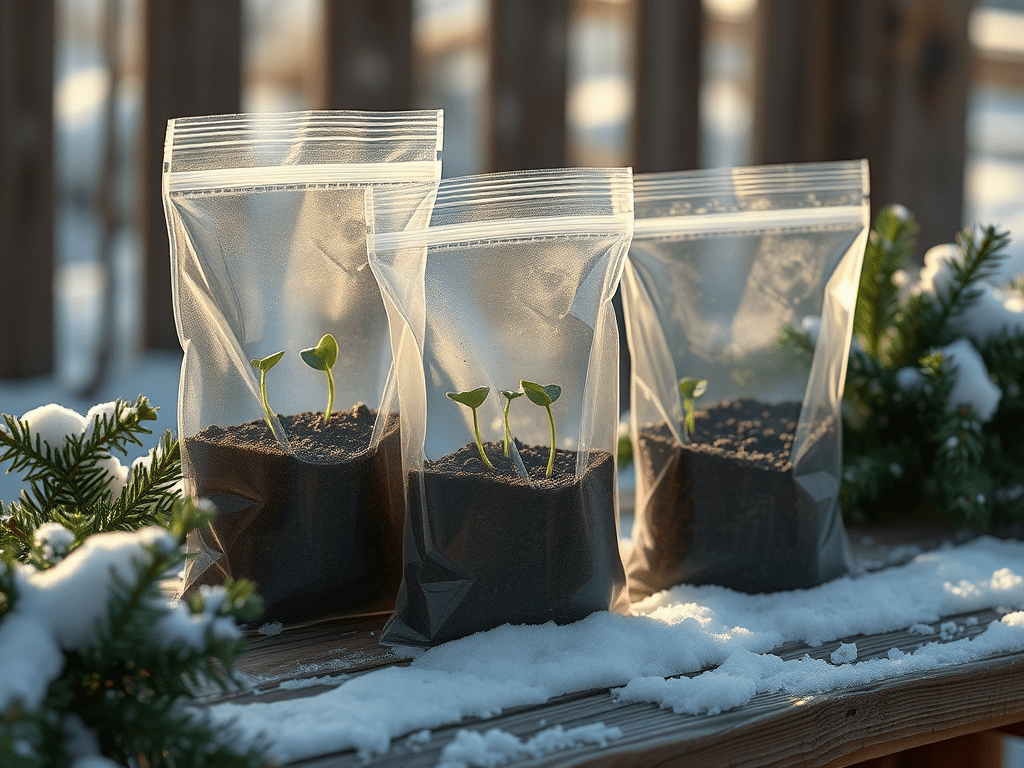
  3. Protect from early frosts with fabric row covers or cold frames if needed.
  4. Harvest often to encourage fresh growth and prolong bloom.

🍂 Growing an edible fall garden means you’ll have herbs and flowers ready for cooking, teas, and garnishes—while also enjoying a colorful, pollinator-friendly garden late into the season. With the right timing and plant choices for your zone, you can savor the flavors of fall right from your backyard!

Succulent Gardens

How to Create an Outdoor Succulent Garden

Succulents are some of the most low-maintenance yet eye-catching plants you can grow in your garden. With their diverse shapes, bold colors, and drought-tolerant nature, they’re perfect for creating an outdoor garden that is both beautiful and easy to care for. If you’ve been thinking about starting an outdoor succulent garden, here’s your complete guide to getting started—from the best succulents to plant, to where to place them, and which garden zones are ideal for success.

Why Succulents Make Great Outdoor Plants

Succulents are uniquely designed to survive in harsh conditions. Their fleshy leaves and stems store water, allowing them to handle long stretches without rain. This makes them excellent choices for gardeners in hot, dry regions—or for anyone who doesn’t want to spend too much time watering. Plus, succulents come in so many varieties that you can design a truly unique outdoor garden full of texture and color.


The Best Succulents for Outdoor Gardens

When selecting succulents for outdoor planting, it’s important to choose ones that are hardy and can withstand varying weather conditions. Here are some of the best options:

  • Sedum (Stonecrop): Extremely hardy, comes in trailing or upright forms, and survives both heat and cold.
  • Sempervivum (Hens and Chicks): Known for their rosette shapes and ability to withstand frost, these are excellent for cooler climates.
  • Agave: Bold and architectural, perfect for a dramatic centerpiece in warm climates.
  • Aloe Vera: Hardy in warmer zones, adds a tropical look while also being useful for its medicinal gel.
  • Echeveria: Popular rosette succulents with a wide range of colors, great for containers or raised beds.
  • Ice Plant (Delosperma): Known for its bright flowers and ability to spread, making it great as a ground cover.
  • Yucca: Not technically a succulent, but pairs well with them and thrives in the same conditions.

Garden Zones Best for Outdoor Succulent Gardens

Succulents thrive outdoors in USDA Hardiness Zones 7–11. Here’s a quick breakdown:

  • Zones 9–11: Perfect for most succulents, including agaves, aloes, and echeverias. These warm climates allow year-round outdoor growth.
  • Zones 7–8: Hardy succulents like hens and chicks and sedums can survive cold winters and still come back in spring.
  • Zones below 7: Succulents can still be grown outdoors seasonally, but you’ll need to bring tender varieties inside for winter or cover them with frost cloth.

Best Places to Plant Your Succulent Garden

Placement is key when it comes to growing succulents outdoors. Here are some ideal spots:

  • Rock Gardens: Succulents thrive in well-draining soil, and rocks provide natural drainage and heat retention.
  • Raised Beds: Perfect for controlling soil quality and ensuring proper drainage.
  • Slopes or Hillsides: Water drains quickly on slopes, which mimics the succulents’ natural desert habitat.
  • Patio or Entryway Containers: Containers can be grouped together to create a focal point and can be moved if needed for weather protection.
  • Sunny Borders: Most succulents love 6–8 hours of full sun each day, making south-facing areas the best choice.

Tips for Creating a Successful Outdoor Succulent Garden

  • Soil: Use a sandy, gritty, or cactus-specific soil mix that drains quickly.
  • Watering: Deeply water, then let soil dry out completely before watering again.
  • Spacing: Give plants room to spread; overcrowding can cause rot.
  • Winter Care: In colder zones, cover plants with frost cloth or grow in containers that can be moved inside.
  • Design Tip: Mix tall statement succulents like agave or yucca with low-growing varieties like hens and chicks for visual interest.

Final Thoughts

An outdoor succulent garden is the perfect blend of beauty and resilience. With minimal maintenance, these hardy plants can transform your outdoor space into a vibrant desert-inspired retreat. Whether you live in a warm, sunny climate year-round or want to experiment with cold-hardy succulents, there’s a way to make it work in your garden.

Square Foot Gardening: A Simple Way to Grow More in Less Space

If you’ve ever dreamed of having a garden but felt limited by space or overwhelmed by the upkeep, square foot gardening might be just what you need. This method is perfect for beginners, small yards, or anyone who wants to grow a lot of food without spending hours weeding. Let’s dive into what it is, how to make one, what to plant, and the best place to put it.


🌱 What Is a Square Foot Garden?

Square foot gardening is a method developed by Mel Bartholomew that uses a raised bed divided into one-foot sections. Instead of planting long rows, you grow different crops in each square foot, making it highly organized and space-efficient. This method helps reduce wasted space, conserves water, and keeps maintenance simple.


🛠️ How to Create a Square Foot Garden

  1. Build or Buy a Raised Bed
    • Start with a raised bed about 4 feet wide by 4 feet long (16 square feet total).
    • The bed should be 6–12 inches deep. You can build one with untreated wood, bricks, or even purchase premade kits.
  2. Divide into Squares
    • Use string, wood slats, or twine to divide the bed into 16 equal 1-foot squares.
  3. Fill with Soil Mix
    • A great mix is 1/3 compost, 1/3 peat moss (or coco coir), and 1/3 vermiculite.
    • This blend is light, nutrient-rich, and drains well.
  4. Plant Your Crops by Spacing
    • Each square foot can hold a different number of plants depending on their size. For example:
      • 16 carrots or radishes per square
      • 9 spinach or beets per square
      • 4 lettuce or chard per square
      • 1 tomato, pepper, or broccoli per square
  5. Add Mulch and Water Regularly
    • Mulching helps retain moisture.
    • Water deeply but gently to keep roots happy.

🌿 What to Plant in a Square Foot Garden

Square foot gardens are versatile—you can grow almost anything! Here are some great choices:

  • Herbs: Basil, cilantro, parsley, thyme
  • Leafy Greens: Lettuce, spinach, kale, Swiss chard
  • Root Crops: Carrots, radishes, beets, onions
  • Compact Vegetables: Bush beans, peppers, cherry tomatoes, cucumbers (trellised)
  • Companion Flowers: Marigolds or nasturtiums to repel pests

For best results, plant a mix of fast-growing crops (radishes, lettuce) with slower ones (tomatoes, peppers) so your garden always has something to harvest.


🌞 Best Location for a Square Foot Garden

The beauty of this method is that you don’t need a huge yard. Here’s where to place it:

  • Full Sun: At least 6–8 hours of direct sunlight daily for most vegetables.
  • Level Ground: A flat area ensures even watering.
  • Close to Water: Keep it near a hose or rain barrel for easy access.
  • Good Drainage: Avoid low, soggy areas that collect water.

If you don’t have an outdoor yard, you can even set up smaller square foot gardens in containers or raised planters on patios and balconies.


🌻 Final Thoughts

Square foot gardening is a simple, organized, and rewarding way to grow your own food. With just a small space and a little planning, you can enjoy fresh herbs, vegetables, and flowers right outside your door. Whether you’re a beginner or seasoned gardener, this method helps maximize every inch of your growing area—making gardening less overwhelming and more fun!

3 Unique Cacti Plants to Grow Indoors

When most people think of cacti, they picture the tall, spiny varieties you see in the desert. But did you know there are many unique cacti that thrive indoors, each with its own special charm? Unlike typical houseplants, cacti require little water and minimal care, making them perfect companions for busy plant lovers. Here are three standout cacti to consider adding to your indoor collection:

1. Bunny Ear Cactus (Opuntia microdasys)

Why it’s unique:
The Bunny Ear Cactus earns its name from its flat, oval pads that resemble floppy rabbit ears. Instead of long spines, it has tiny clusters of golden or white glochids (hair-like spines) that give it a fuzzy, charming look—though they are still prickly to the touch!

Care instructions:

  • Light: Place it in bright, direct sunlight—preferably a south-facing window.
  • Water: Water sparingly, allowing soil to completely dry between waterings. Reduce watering in winter.
  • Soil: Use a sandy, well-draining cactus mix.
  • Extra Tip: Keep it away from curious hands and pets, as the glochids can stick easily.

This cactus makes a fun conversation piece because of its playful shape, and with the right light, it can even produce yellow blooms.


2. Star Cactus (Astrophytum asterias)

Why it’s unique:
The Star Cactus is a small, round, spineless cactus that looks like something from outer space. Its body is divided into distinct sections, often with tiny white speckles across its surface. In spring, it produces show-stopping yellow flowers with orange centers.

Care instructions:

  • Light: Bright, indirect sunlight is best to prevent scorching its delicate skin.
  • Water: Water moderately in spring and summer but cut back in fall and winter. Always let the soil dry before watering again.
  • Soil: Choose a gritty cactus mix with excellent drainage.
  • Extra Tip: Because it stays compact, it’s ideal for small spaces like desks, windowsills, or plant shelves.

This cactus’ geometric symmetry and petite size make it a favorite among collectors and minimalists alike.


3. Old Lady Cactus (Mammillaria hahniana)

Why it’s unique:
The Old Lady Cactus is a round cactus covered in a halo of fine white spines that look like soft hair—giving it a fluffy, cottony appearance. In spring, it surprises growers with a crown of vibrant pink or purple flowers around its top, almost like a floral crown.

Care instructions:

  • Light: Provide full sun to partial sun indoors, near a bright window.
  • Water: Water every few weeks, allowing soil to dry thoroughly. In winter, water sparingly.
  • Soil: Well-draining cactus or succulent soil is essential.
  • Extra Tip: Use a clay pot to help prevent overwatering.

This cactus is loved for its soft, whimsical look and its showy blooms, making it one of the most delightful indoor cacti to grow.


Final Thoughts

Indoor cacti are not just easy to care for—they bring character and personality to your home. Whether you’re drawn to the playful Bunny Ear Cactus, the geometric Star Cactus, or the whimsical Old Lady Cactus, each one adds something unique to your plant collection. With the right light and a little care, these cacti will thrive indoors and reward you with years of beauty.

🌱 August Planting Guide for Zones 6, 7 & 8: What to Grow Now!

As summer starts to wind down and we inch closer to fall, your garden is far from finished! August is a prime month to refresh garden beds, sow cool-season crops, and even add some late-blooming flowers for fall color. If you’re gardening in Zones 6, 7, or 8, here’s what you can confidently plant this month to enjoy a delicious and colorful autumn garden.


🥕 Vegetables to Plant in August

Here’s what you can grow in each zone before the first frost hits:

Zone 6 (First frost: mid-late October):

  • Leafy Greens: Spinach, kale, Swiss chard, arugula, mustard greens
  • Root Veggies: Beets, carrots, radishes, turnips
  • Other Cool Crops: Broccoli, cauliflower, cabbage (start indoors or buy starts)

💡 Tip: Use row covers or cold frames to extend your growing season into late fall.

Zone 7 (First frost: late October to early November):

  • Leafy Greens: Lettuce, collards, kale, spinach
  • Root Crops: Carrots, radishes, beets, turnips
  • Other Fall Veggies: Bush beans, peas, broccoli, cabbage, cauliflower

💧 Watering Tip: August can still be hot and dry—keep seedlings well-watered and shaded during the hottest part of the day.

Zone 8 (First frost: mid-late November):

  • Fast-Growing Summer Veggies: Bush beans, cucumbers, zucchini (one last crop!)
  • Fall Veggies: Kale, collards, cabbage, broccoli, spinach, carrots, radishes
  • Herbs: Cilantro, dill, parsley, chives

🌿 Bonus: Zone 8 gardeners can succession plant leafy greens every couple of weeks for a continuous harvest.


🌼 Flowering Plants to Add in August

Late summer is a perfect time to plant flowers that will thrive into fall and even next spring. Here are great options for Zones 6–8:

🌸 Annuals & Perennials to Plant Now:

  • Pansies & Violas (Zones 7 & 8): Plant now for fall and early spring color.
  • Chrysanthemums (All Zones): Fall favorites that add bold color.
  • Asters (All Zones): Late-blooming perennials loved by pollinators.
  • Coneflowers (Echinacea): Still time to plant for pollinators and fall blooms.
  • Black-Eyed Susans: Heat-tolerant and perfect for end-of-summer planting.

🌼 Other Great Picks:

  • Snapdragons: Plant in August for fall blooms (especially in Zones 7 & 8).
  • Ornamental Cabbage & Kale: Add color and texture to your fall beds.
  • Zinnias: Still going strong—plant seeds for one last flush of flowers.

🌿 Final Tips for August Gardening

  • Feed & Mulch: Give your new plants a healthy start with compost and mulch to retain moisture.
  • Start Planning for Fall: Clean up spent summer crops and refresh the soil.
  • Attract Pollinators: Add late-blooming flowers to support bees and butterflies during their migration.

Whether you’re filling your table with homegrown veggies or filling your beds with fresh blooms, August is a month full of opportunity for Southern and Mid-Atlantic gardens. Happy planting!

Home is Where the Boat Is

Potting, Puttering & Pontooning

Cats and Trails and Garden Tales

Musings on cats, travel, gardens and life

Leaf And Twig

Where observation and imagination meet nature in poetry.

phillipsplace

A new beginning, mobile home living, adding our style inside and out.

Ruth E. Hendricks

Daily Journal of Life in Pittsburgh

The Haute Mommy Handbook

Motherhood Misadventures + Creative Living

Suzanne's Mom's Blog

Arts, Nature, Good Works, Luna & Stella Lockets & Birthstones

𝑻𝒐𝒓𝒏𝒂𝒅𝒐 𝑶𝒇 𝑪𝒉𝒂𝒐𝒔 🌪

Thoughts, experiences and learnings in a turbulent time

Sarah Rajkotwala - Author & Spiritual Teacher blog

Gardening Fairies Flowers Spirituality Angels Love Joy

Ideas and Advice for How To Live a Joyful and Empowered Life.

All Things Empowering - Healing Ourselves & Earth, Self-Sufficiency, Food Forests, Gardening, Art, Road Trips, Preserving, Foraging, Permaculture, Homesteading and More!

AmericaOnCoffee

We’re just inviting you to take a timeout into the rhythmic ambiance of our breakfast, brunch and/or coffee selections. We are happy whenever you stop by.

Heart to Hearth Cookery

Sharing my Experimental Archaeology of Food

The Herb Society of America Blog

Learn • Explore • Grow